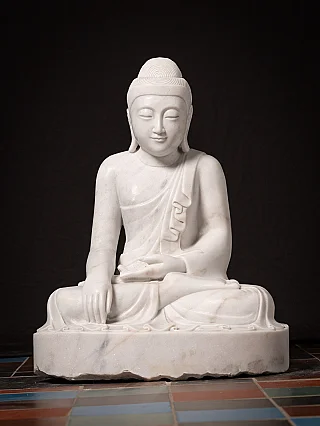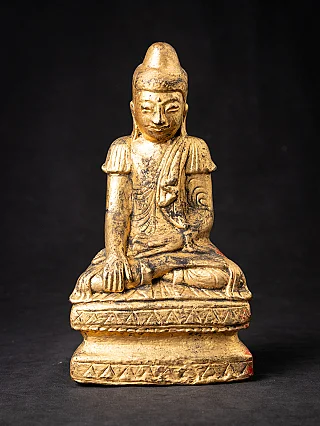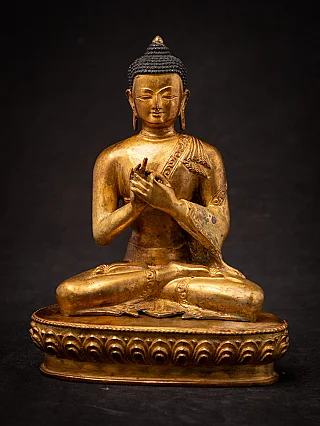
Buddhist arts and Architecture of Temples in Thailand

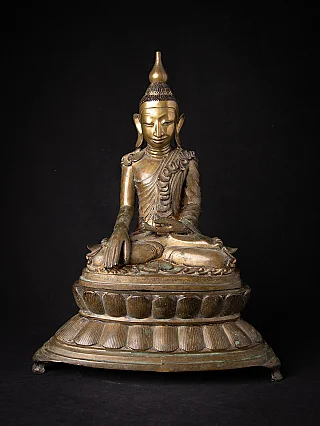
View our Buddha Statues in our gallery
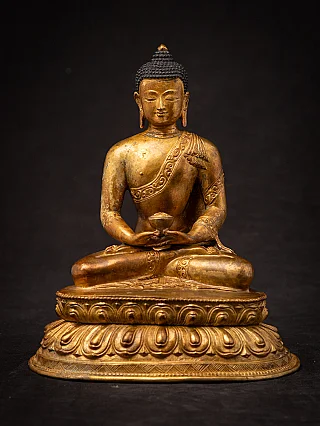
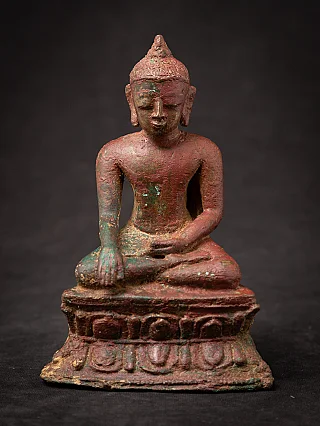
As other south Asian countries, Thailand was also under influence of India's Gupta tradition. This influences can be seen in their art and culture. The earlier antique Buddhist arts were constructed according to this form of art. As time passed by, the Mon Kingdom of Myanmar expanded and influenced nearby areas.
If we look at the history of Mon kingdom, it is recorded that Mon Kingdom was converted to Buddhism at around 200 BCE. Along with the conversion, the arts and culture were also transferred and acculturation was observed. Hence, there were lots of Buddhist arts constructed in Myanmar and later they localized the art form according to their culture and community. The new form of art was established.

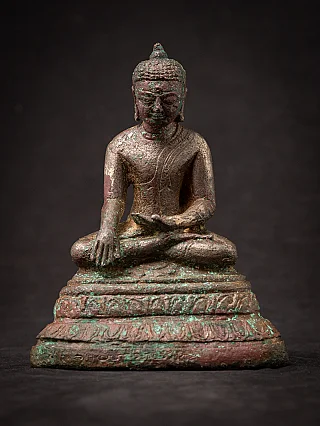
While the Mon Kingdom was expanding, their art and culture were also influencing nearby areas. These influences were seen in Thailand also. The antique Buddhist arts - statues, murals, architectures, etc.- based on Gupta tradition and the Mon Kingdom were constructed during 1st to 7th centuries.
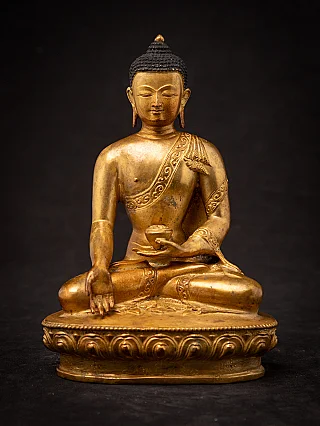
In the 9th century, the influence of Gupta tradition and the Mon Kingdom were diminished and rose the influence of Cambodian Khmer art and Sri Vijaya art in the north and south respectively. These both form of art was based on Mahayana Buddhism. The unique feature of this art can be distinguished by the clear fluidness in the expression. The theme focuses on the characteristic of the Mahayana pantheon with multiple creations of Bodhisattvas.
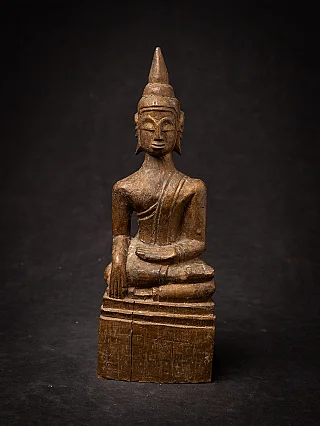
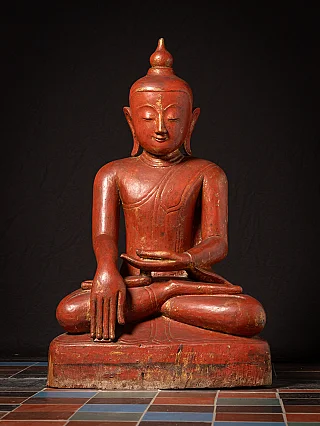
In the 13th century, Theravada Buddhism was introduced in Thailand from Sri Lanka. King Ramkhamhaeng of Sukhothai played a great role to spread Theravada ideology of Buddhism. He requested senior monks from Sri Lanka to teach their views of Buddhism in Thailand. During this time, the ethnic Thai kingdom helped to form new Buddhist art that was highly stylized images in Thai Buddhism. Apart from the regular style, the images and arts were created in geometrical and almost abstract figures as well.
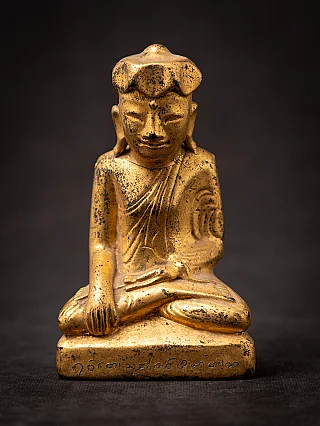
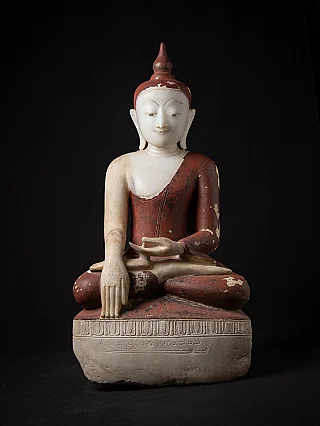
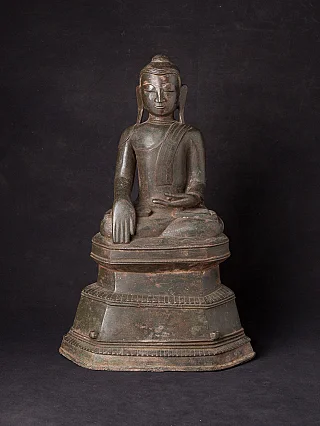
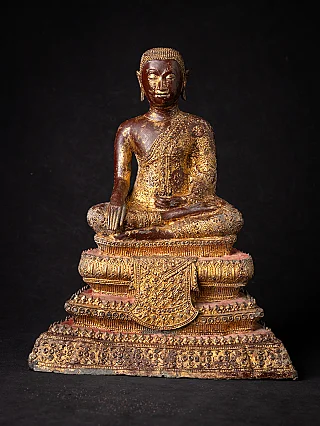
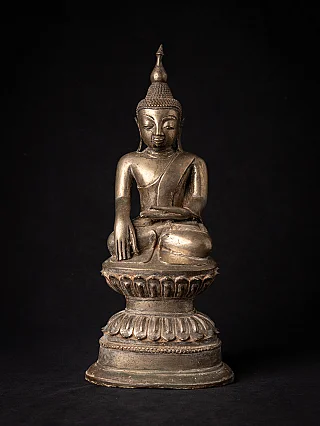
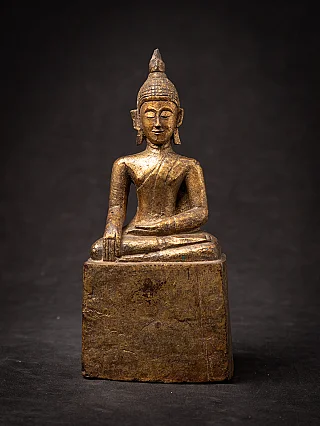
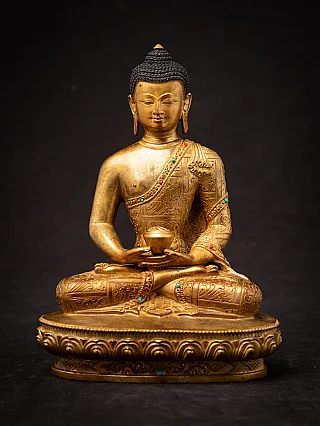
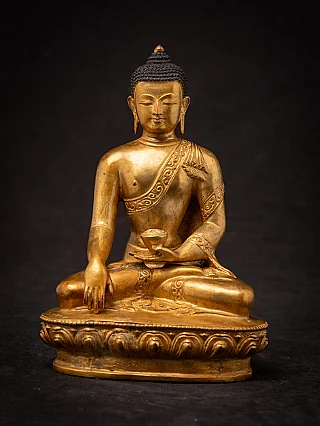
In the 14th - 18th centuries, during the Ayutthaya period, a new style of art was evolved. In this form of art, Buddha statues were represented in more stylistic manner. They were added with luxurious garments and jeweled ornamentations. Therefore, we can observe that many of the Thai Buddha statues and temples were gilded and on occasions, they are enriched with inlays.
The Thai Buddhist art was further developed during the reign of Thonburi and Rattanakosin Kingdom. As Bangkok was established as the royal center of the kingdom of Siam, the Thailand was filled with numerous Buddhist monuments - temples, large Buddha statues. These structures were constructed with the objective to demonstrate their devotion and as well as to showcase their authority.
View our collections of statues and arts in our gallery
Architecture of Wats- Buddhist temples.
The Buddhist temples in Thailand has other buildings for specific purposes and is built according to two styles of architecture - Phutthawat and Sangkhawat architecture.
In Phutthawat architecture, there consists of several buildings with unique designs like-

- Chedi- stupa in the form of a bell-shaped tower and includes relic chamber.
- Prang - the Thai version of Khmer temple towers
- Ubosot - the hall which is considered most sacred area of wat
- Wihan - a shrine hall that contains Buddha Statues. This hall is also use as assembly hall where people prays
- Mondop - a shrine with spired roof within a temple compound.
- Ho trai - the Buddhist library
- Sala - an open pavilion providing shade and a place to rest.
- Sala kan parian - a large hall meant for studying and saying afternoon prayers
- Ho rakhang - the bell tower
In Sangkhawat architecture, the temple compound also consists of living quarters for the monks along with other buildings - Ho rakhang, bell tower; Sala Kan Parian, hall; etc. In the earlier period, living quarters of the monks used to be a small structure built on stilts but in present times, there is a modern apartment building with small rooms for the monks.
In present context, Thailand is better known for the Theravada Buddhism and also the best pilgrimage site for the Buddhism since they are preserving the antique Buddhist art and at the same time they are constructing new statues of Buddha as well.
Share this page